Red flags that signal poor communication before a treatment
Why communication matters before any aesthetic treatment
When you book a consultation for an aesthetic treatment, the conversation that takes place is often the best clue you have about the quality of the clinic you are considering. Good communication does not just feel polite, it is a sign that the practitioner takes safety, consent and aftercare seriously. Poor communication, on the other hand, can indicate that corners are being cut, that the treatment is rushed, or that the provider is more interested in booking a sale than in ensuring the right outcome for you. Learning to spot the warning signs early can save you from a disappointing result or, worse, a health risk.
The practitioner asks few or no questions about your medical history
One of the clearest red flags is a consultation that feels one-sided. If the person you speak to does not ask about your medical history, current medications, allergies, or previous treatments, that is a problem. A responsible practitioner needs to know about contraindications, conditions or medicines that make a particular treatment unsafe. For example, some skin treatments are not suitable for people who have recently taken certain antibiotics, while others may react badly with a history of cold sores or autoimmune conditions. If these questions are skipped, the clinic may not be following proper protocols for informed consent. A thorough consultation is the foundation of safe treatment consultations, and it cannot happen without asking the right questions.
Vague or evasive answers about treatment risks
Every aesthetic treatment carries some level of risk, even common ones like dermal fillers or laser hair removal. A good practitioner will explain what those risks are in plain language, how likely they are, and what the clinic does to minimise them. If the person you speak to brushes off your questions, says "it is perfectly safe" without explaining why, or gives answers that sound rehearsed and non-specific, treat that as a warning. You are entitled to know about possible side effects, the recovery period, and what to do if something goes wrong. A clinic that cannot talk openly about risks is unlikely to handle them well if they arise. This is one area where the quality of safe treatment consultations really shows, the best consultations are honest about what could happen, not just reassuring.
No written information or aftercare instructions
After a consultation, you should leave with a clear understanding of what will happen during the treatment and what you need to do afterwards. If the practitioner does not give you any written aftercare instructions, or if they say something like "you will be fine, just avoid touching it", that is not enough. Proper aftercare instructions cover things like how to clean the area, what products to avoid, when you can wear makeup or exercise, and what signs of infection to watch for. Without this, you are being left to guess. A clinic that takes its responsibilities seriously will provide these details in writing, and they will also tell you how to contact them if you have a problem after the treatment. The absence of aftercare information suggests the provider is not thinking about your safety beyond the procedure itself.
Hard sell tactics or pressure to book immediately
If the person consulting you tries to push you into booking on the spot, offering a "discount if you book today" or saying the slot will not be available tomorrow, that is a classic sign of a sales-driven approach rather than a patient-centred one. Aesthetic treatments are medical procedures, not flash sales. You should have time to think, to read the consent forms, and to ask any follow-up questions that come to mind after you leave. Pressure to decide quickly often means the practitioner is more interested in filling the appointment book than in making sure the treatment is right for you. A reputable clinic will encourage you to take your time and will not make you feel guilty for wanting to go away and think about it.
Lack of clarity about who will perform the treatment
It is reasonable to know exactly who will be carrying out the treatment, what their qualifications are, and whether they are regulated by a professional body. If you are told "one of our team will do it" without a name, or if the person you speak to cannot clearly explain their own training and experience, ask more questions. In the UK, aesthetic treatments are not all regulated in the same way, so it is especially important to check that the practitioner has appropriate training and insurance. A clinic that is open about these details is showing respect for your decision-making. One that avoids the question may have something to hide.
Poor hygiene standards during the consultation
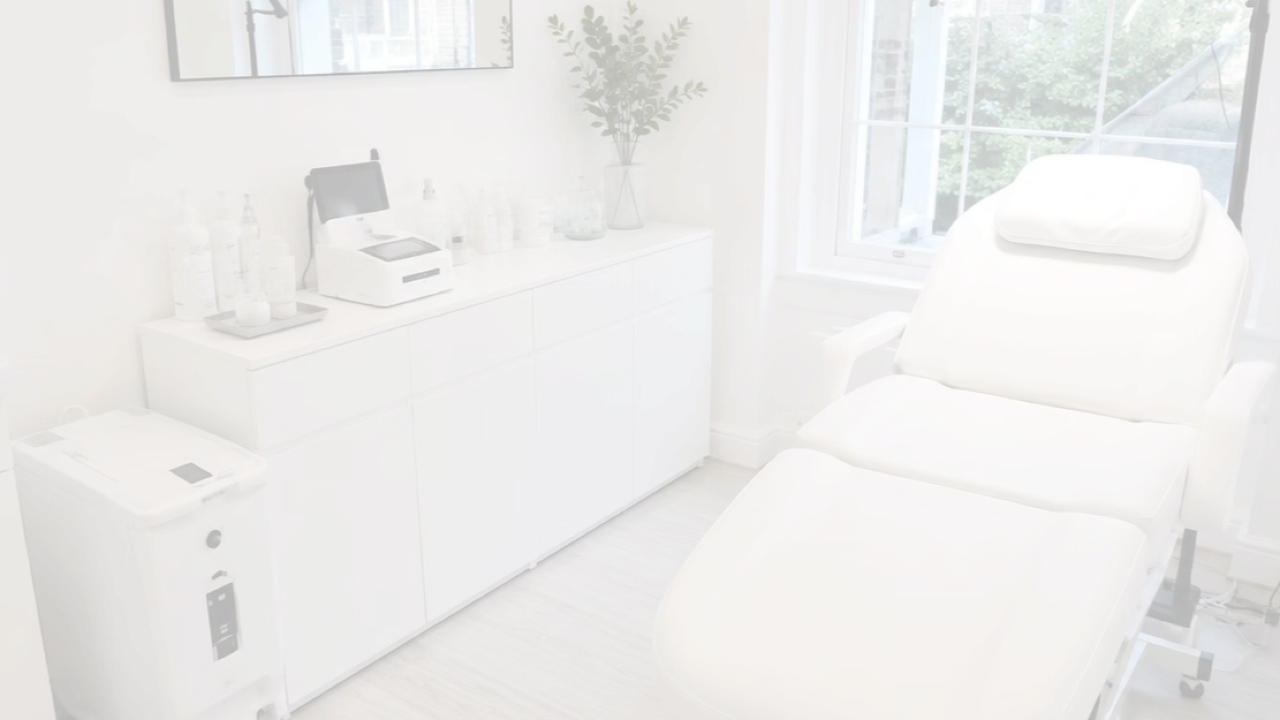
You can learn a lot from the environment around you. If the consultation room looks untidy, if surfaces are not clean, or if the practitioner does not wash their hands before examining your skin, that is a serious warning. Hygiene is a basic requirement for any medical or aesthetic procedure. A clinic that is careless about cleanliness during a consultation is unlikely to be thorough about sterilising equipment or maintaining a clean treatment room. Pay attention to details like whether the practitioner wears gloves for the examination, whether single-use items are opened in front of you, and whether the space feels professional. These small observations often reveal the real standards of the clinic.
No discussion of follow-up or what to do if something goes wrong
A good consultation should include a plan for what happens after the treatment. That means a follow-up appointment to check your progress, and a clear point of contact if you have concerns or complications. If the practitioner does not mention a follow-up, or if they say "you won't need one" without explaining why, that is a red flag. Treatments can have delayed reactions, and not everyone heals in the same way. Knowing that you can come back for a check-up, or at least speak to someone who knows your case, gives you peace of mind and is part of the standard of care you should expect. A clinic that does not offer this is treating the procedure as a one-off transaction rather than a relationship that continues after you walk out the door.
Final reminder: trust your instincts
None of these warning signs alone may be a deal breaker, but when you see several together, they paint a clear picture. If something feels off during a consultation, if the answers are too smooth, if your questions are dismissed, if the setting seems unprofessional, it is worth listening to that feeling. The best time to walk away is before any treatment has begun. Choosing a provider who communicates clearly, asks thorough questions, and gives you space to make an informed decision is one of the most important steps you can take for your safety and satisfaction. A consultation that respects your time, your health, and your right to know is the foundation of a positive treatment experience.